
Archaeology and planning, explained.
Straightforward answers for developers, agents, landowners and homeowners navigating archaeology in the planning process.
Guide
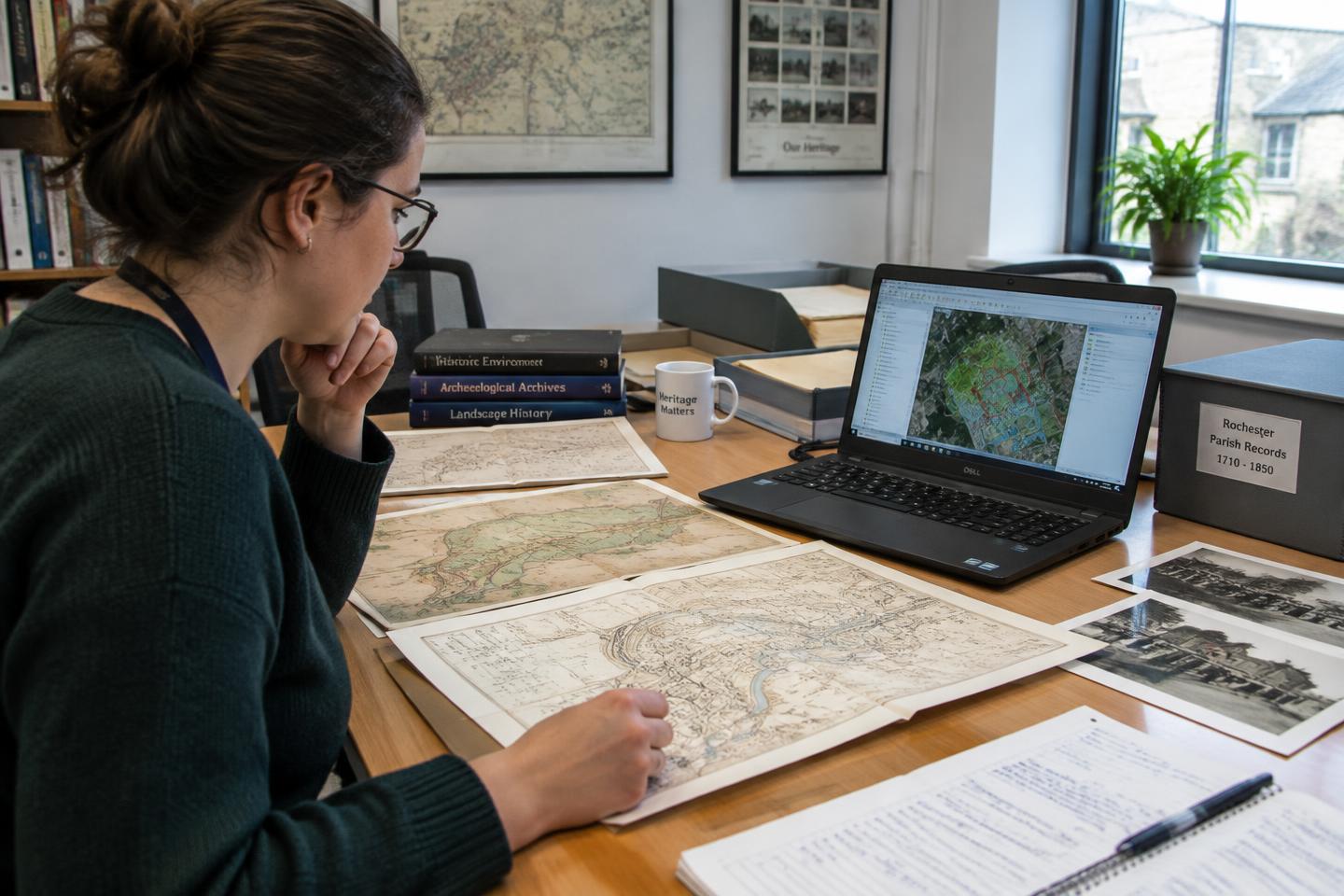
What is a heritage statement?
When you need one, what it should include, who writes it and what it costs.
Guide
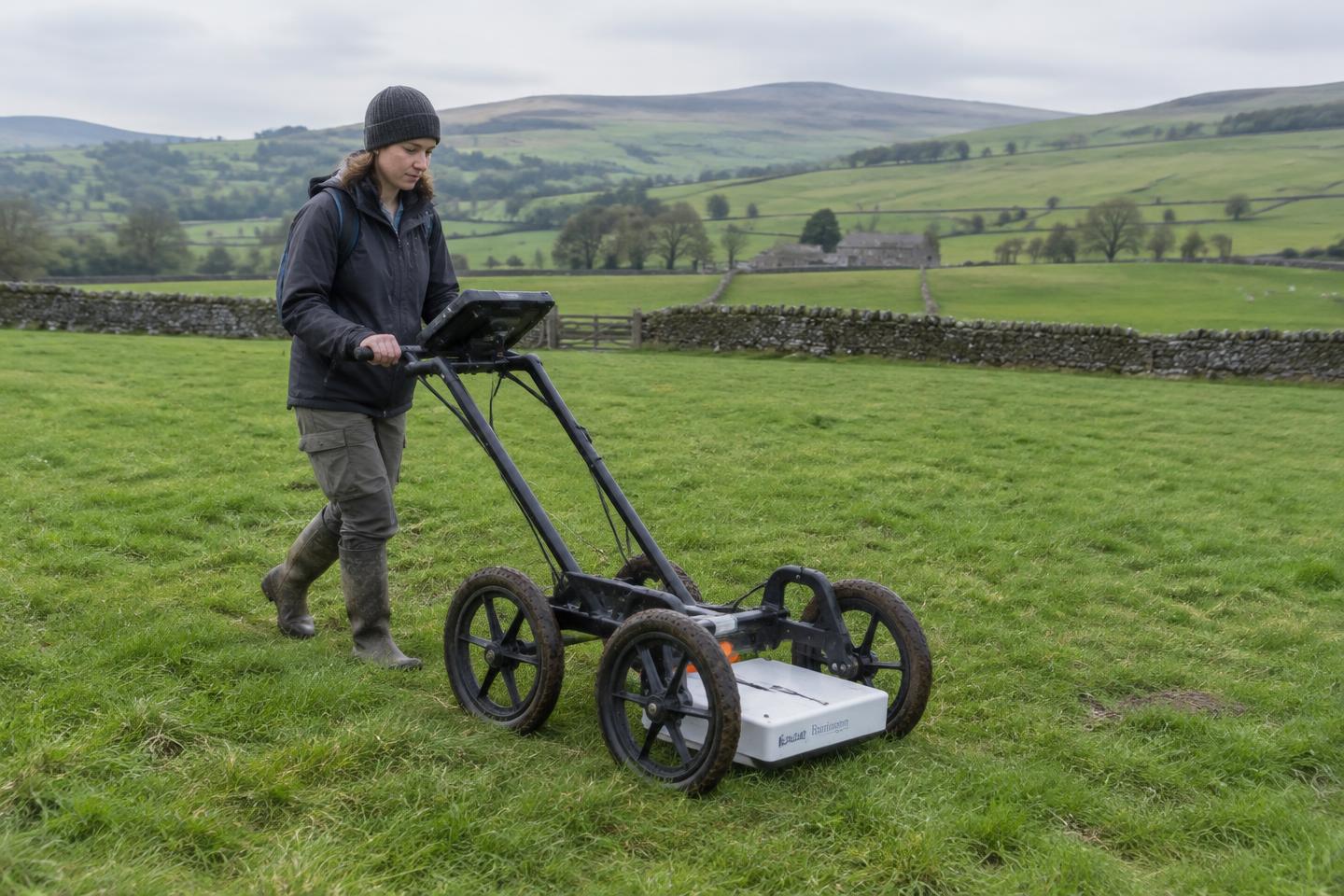
Geophysical survey explained
How magnetometry maps buried archaeology before anyone digs — and when it is worth doing.

Guide
Archaeology for homeowners: extensions, barns and conversions
What householders need to know when a planning condition mentions archaeology.
Guide
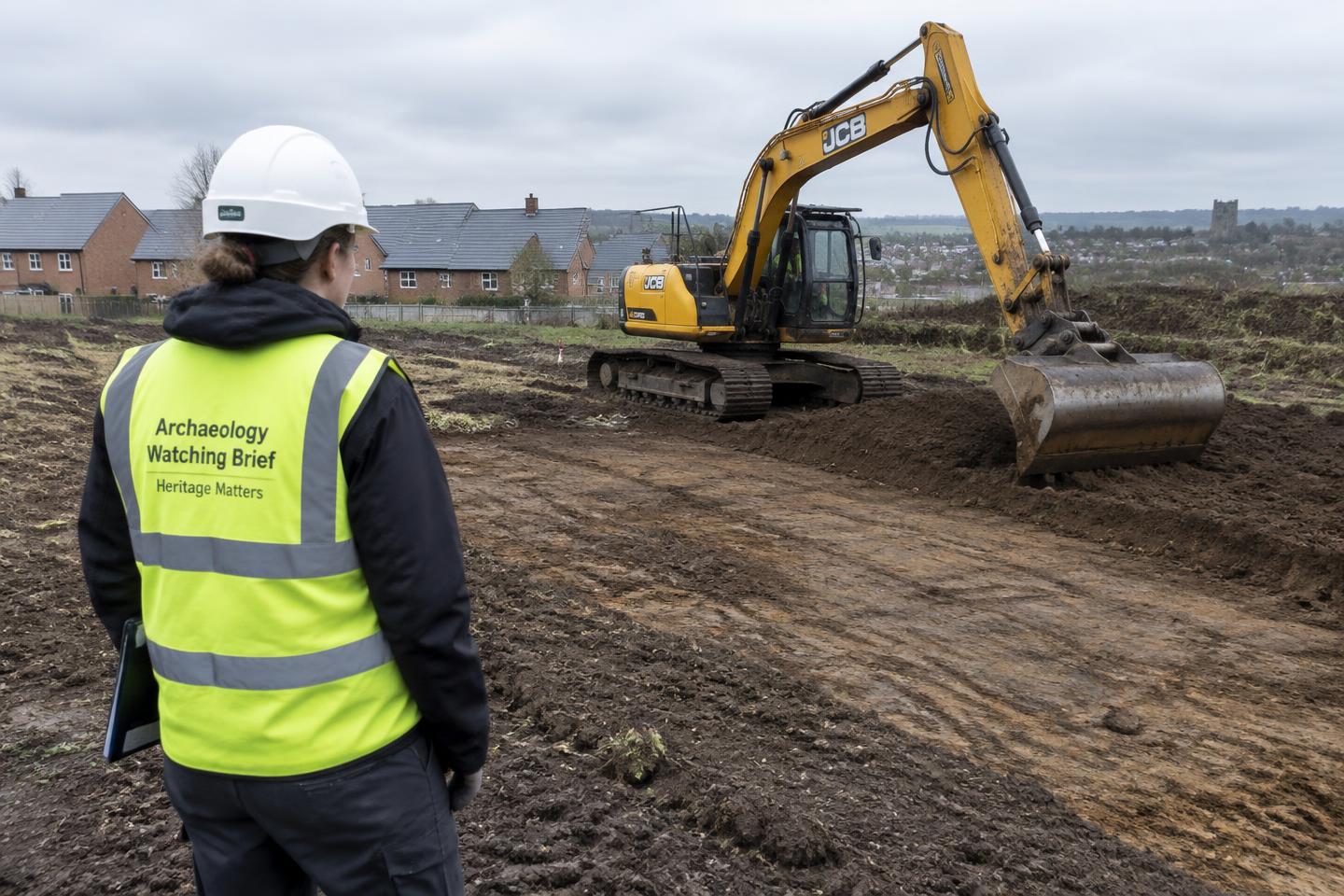
Archaeology and planning permission: a guide for developers
How archaeology fits into the planning process in England and what to expect at each stage.
Guide
What is a Written Scheme of Investigation (WSI)?
The method statement that must be agreed before archaeological fieldwork can start.
Guide
What is an archaeological watching brief?
What monitoring during groundworks involves and how to plan for it.
Guide
Desk-based assessment explained
What a heritage desk-based assessment contains and why it is usually the first step.
Guide
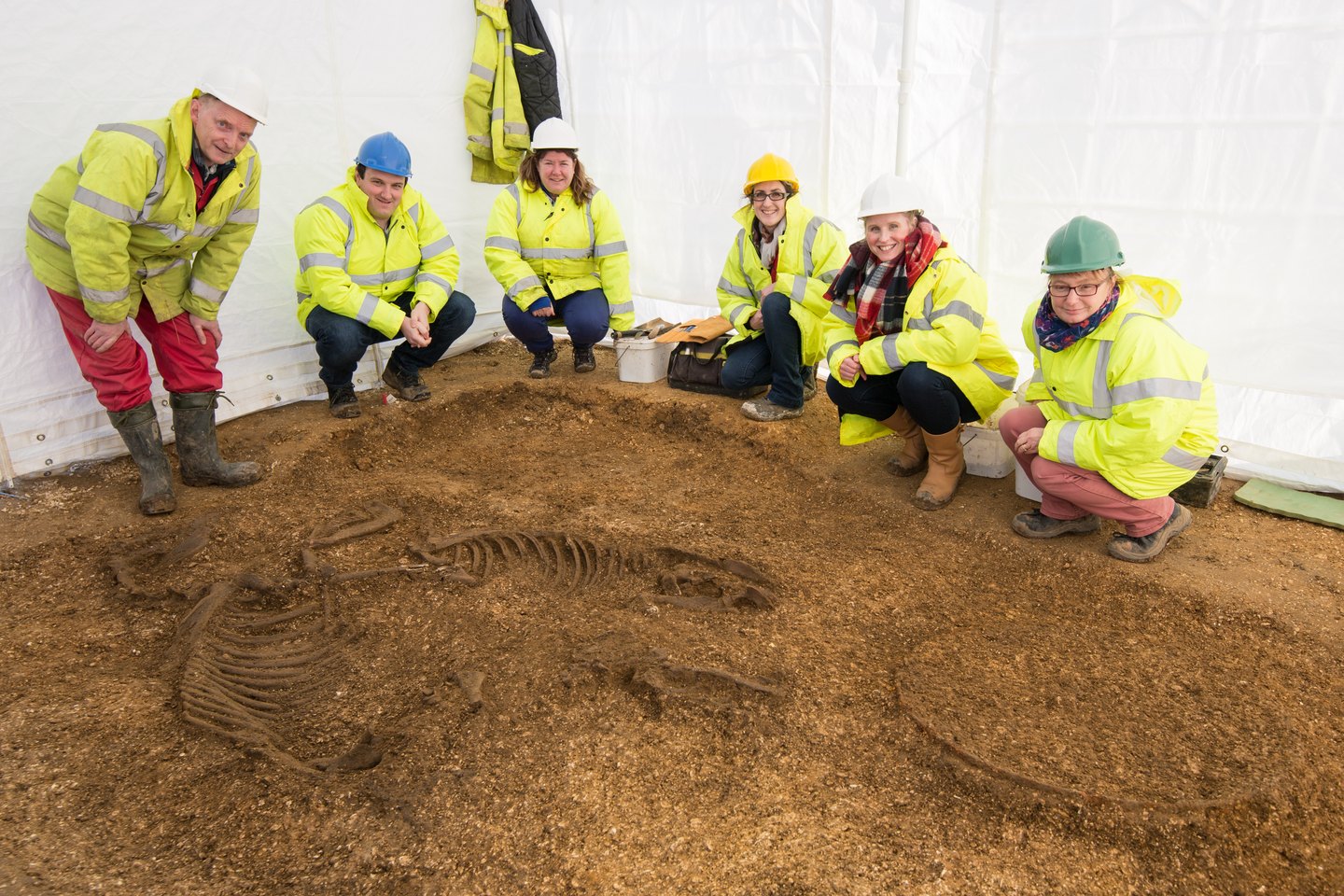
What happens if human remains are found on site?
The process for discovering and excavating human remains in England.
Guide
Choosing an archaeological contractor
What to look for when appointing archaeologists for your development.
Start a conversation